
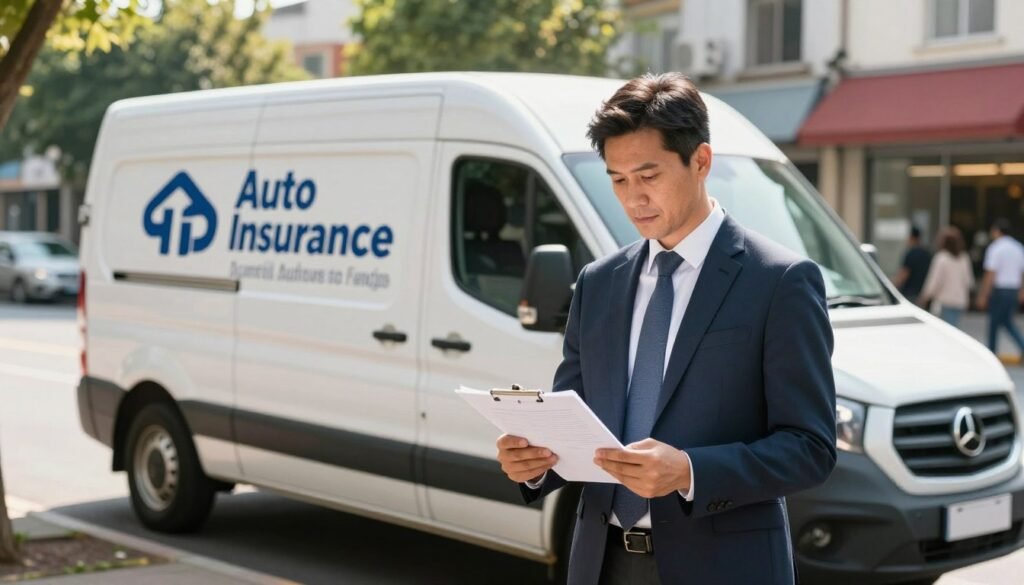
Many owners assume a personal auto policy covers driving done for work. That belief can leave gaps when a vehicle is used to haul goods, ferry clients, or run errands for a company.
Progressive is America’s top provider in this field and has over 50 years helping businesses protect their vehicles. They support more than one million companies, which shows how often standard plans fall short.
Understanding your current policy limits is the first step toward better protection. If you need commercial auto coverage, a dedicated policy can close costly gaps and shield your enterprise after an accident.
Understanding the Limitations of Personal Auto Insurance
Using a personal vehicle for work tasks often falls outside the protection of a standard auto policy. That gap can surface the moment a driver transports goods, meets a client, or runs errands for a company.
The Business Use Exclusion
Most personal auto policies include a business use exclusion. If an accident happens while you are working, the carrier may deny the claim.
GEICO, with over 70 years in the industry, notes personal plans are built for individual drivers, not for fleet risks. If you rely on a vehicle for day-to-day operations, a commercial auto policy is the safer choice.
Financial Risks of Inadequate Coverage
Without a commercial plan, your company may face repair and medical bills out of pocket. A single accident involving a company car or trucks can exceed personal limits and trigger large liability claims.
- Employees using personal vehicles can expose the company to property and injury claims.
- Commercial policies offer higher liability coverage limits for greater daily risks.
Why Your Business Needs Commercial Auto Insurance
If a vehicle is used for deliveries, client visits, or hauling gear, personal coverage often falls short.
A dedicated commercial auto insurance policy covers cars, trucks, and vans that power daily operations. Travelers and other carriers warn that work use raises exposure on the road. When a vehicle is owned or used by your company, you need commercial protection to cover liability for damages after an accident.
Protecting each business vehicle with the right policy shields the company, the driver, and employees from unexpected losses. Personal plans usually lack limits and terms for transporting equipment or making deliveries.
- Higher liability limits guard company assets and reputation.
- Proper coverage helps keep operations running after vehicle damage.
- A dedicated policy reduces the chance that a claim will be denied.
| Risk | Personal Policy | Commercial Policy |
|---|---|---|
| Work trips | Often excluded | Covered |
| Higher liability | Limited | Increased limits |
| Fleet exposure | Not designed for fleets | Designed for company vehicles |
Defining Commercial Auto Insurance Small Business Coverage
When company tasks regularly put drivers on the road, a personal auto plan may leave critical gaps. That is where commercial auto insurance steps in to protect work vehicles and the people who use them.
This type of policy covers liability and physical damage for cars, trucks, and vans used for work. It is built to protect company property, cover medical costs after an accident, and pay for repair or replacement when damage occurs.
- Core elements include liability, collision, comprehensive, and uninsured motorist protections.
- Policies are tailored to the type of operations you run — from a shop that hauls tools to a restaurant that makes deliveries.
- Limits can be adjusted to match the number of vehicles and the level of exposure from employees’ driving.
Choosing the right commercial auto policy helps secure income and assets. It also reduces the chance that a work-related claim will be denied under a personal auto insurance policy.
Identifying Which Vehicles Require Specialized Policies
Not every work vehicle needs the same level of protection; knowing which ones require a dedicated policy avoids costly surprises.
Company Cars and SUVs
If a company owns or leases a car or SUV used to carry clients or staff, that vehicle often needs a commercial policy. This type of coverage helps with liability and physical damage after an accident.
Heavy Duty Trucks and Trailers
Heavy-duty trucks, dump trucks, and trailers carry larger loads and create higher road risk. These vehicles usually require higher limits and specialized coverage to handle potential damage and claims.
Specialized Service Vehicles
Service vans, food trucks, and utility trucks have unique exposures because of equipment or goods on board. Contractors, landscapers, and drivers should confirm their vehicles are covered under the right policy.
- If the vehicle transports goods or people for pay, you likely need commercial auto insurance to meet state rules.
- Employees who use personal cars for work may need company coverage added to protect both parties.
- Choosing the correct type of policy reduces the chance a claim is denied and protects company assets from major damage or liability.
| Vehicle Type | Common Need | Key Coverage |
|---|---|---|
| Cars & SUVs | Client transport | Liability, physical damage |
| Trucks & Trailers | Hauling goods | Higher limits, cargo |
| Service Vans | Tools & equipment | Equipment coverage, liability |
Key Differences Between Personal and Commercial Auto Policies
Work-related driving exposes a vehicle to risks that personal policies were not built to handle. A dedicated policy is written for vehicles used in operations, while a personal plan covers daily errands and family travel.
A commercial auto insurance policy typically offers higher liability and damage limits than a personal auto insurance plan. That higher limit protects company assets when a claim involves a vehicle doing paid or repetitive work.
Policies also differ by definitions and exclusions. GEICO and other carriers note that eligibility rules, covered uses, and claim handling can vary. If a use falls into an exclusion, a claim may be denied.
- Specialized policies include tailored claims service to help companies recover after an accident.
- Employees should be listed on the policy to avoid coverage gaps when they drive for work.
- Comparing limits, covered uses, and service levels helps owners choose the right insurance policy to protect vehicles and maintain operations.
Essential Coverage Types for Your Company Fleet
Choosing the right mix of coverages protects your fleet from common road risks and costly gaps. Below are core protections to consider for each vehicle and driver.
Liability and Property Damage
Liability coverage pays for bodily injury and property damage when your driver is at fault. Travelers offers limits up to $1 million, which helps shield company assets after a serious claim.
Collision coverage pays to repair or replace your car or truck if it hits another object. Comprehensive helps recover from theft, vandalism, fire, or severe weather.
Medical Payments and Uninsured Motorist Protection
Medical payments cover medical costs for drivers and employees, regardless of fault. This reduces out-of-pocket expenses after an accident.
Uninsured and underinsured motorist protection fills gaps when the other driver lacks adequate coverage. It is essential where undercoverage is common.
- Tailor policies with enhancements like lease gap coverage for total-loss events.
- Select limits that match fleet size, vehicle value, and driver exposure.
| Type | What it Pays | Why it Matters |
|---|---|---|
| Collision | Repairs after impact | Keeps vehicles in service |
| Comprehensive | Theft, fire, weather | Protects asset value |
| Liability | Bodily injury & property | Shields company from large claims |
Factors That Influence Your Insurance Premiums
Insurers set prices based on exposure: the vehicles, the routes, and the people behind the wheel.
Location and industry matter. Rates rise in high-traffic zones and in sectors with frequent deliveries or client trips.
Driver records have a big effect. Accidents and violations raise risk scores and push premiums higher.
- Fleet size and type of vehicle affect total cost; heavier or specialized vehicles cost more to cover.
- Level of liability coverage and selected limits change monthly premiums directly.
- External factors like market trends and state rules can shift rates from year to year.
Progressive reports a median cost of $219 per month for new customers with clean driving records. That gives a useful benchmark when you shop for policies.
| Factor | How it Affects Price | Action to Control Cost |
|---|---|---|
| Driver Record | Higher risk = higher premiums | Train drivers; monitor driving history |
| Coverage Limits | More liability increases cost | Choose limits that match exposure |
| Fleet Size | More vehicles raise total premium | Review and remove unused vehicles |
Review your coverage yearly. Adjusting limits, improving driver safety, and matching policy terms to operations helps lower long-term costs and protects company property from loss or damage.
Strategies for Reducing Your Commercial Auto Costs
Lowering fleet costs starts with data that proves safe driving and steady coverage matter. Use discounts, telematics, and annual policy reviews to cut premiums. Small changes often yield measurable savings without raising exposure to liability or damage.
Leveraging Safe Driving Programs
Enroll drivers in telematics programs to show risk reduction. Progressive’s Snapshot ProView saves new customers about 9% on average.
GEICO’s DriveEasy Pro gives a participation discount and a free dashboard to track trips and efficiency. These tools help lower claims and improve driver habits.
- Keep continuous auto insurance coverage for at least a year to avoid penalty surcharges.
- Pay premiums in full when possible to secure upfront discounts.
- Bundle a general liability or a BOP with the same carrier to earn multi-product savings.
| Strategy | How it Saves | Typical Impact |
|---|---|---|
| Telematics programs | Rewards safe driving with discounts | Average 9% with Snapshot ProView |
| Continuous coverage | Avoids lapse fees and rate hikes | Stabilizes renewal premiums |
| Bundling policies | Multi-product discounts from one insurer | 5–15% depending on carrier |
Protecting Your Business Assets Beyond the Vehicle
A vehicle policy covers crashes, but it usually leaves out loose tools and inventory you carry to jobs. That gap can leave owners with unpaid losses after an accident or theft.
Many owners must add inland marine or similar coverage to their general liability or business insurance to protect tools, equipment, and materials. Items that are permanently attached to the vehicle are more likely to be covered by the policy for the vehicle itself.
Liability coverage will handle bodily injury and property damage from an accident, but it does not replace stolen gear or personal items taken from the cab. Always ask an agent what your insurance policy includes and what it excludes.
- Confirm whether cargo, loose tools, and inventory are listed on your policy.
- Consider inland marine or equipment floater coverage for high-value items.
- Verify theft and property protections after an accident or loss.
| Loss Type | Typical Vehicle Policy | Recommended Add‑On |
|---|---|---|
| Crash damage | Covered | No additional cover needed |
| Loose tools/theft | Often excluded | Inland marine / floater |
| Liability for injuries | Covered | Higher liability limits as needed |
Conclusion
A clear plan for vehicle coverage helps protect company assets and keeps operations legal. Choosing the right auto insurance lets you avoid costly gaps that arise when staff drive for work.
Remember that personal auto and personal auto insurance are not built for repeated work use. If you need commercial protection, speak with a licensed agent to review limits and liability exposure.
If you have questions about coverage or state requirements, contact an agent today. Proper protection gives peace of mind so you can focus on growth and serving customers.